

By Polly Wooding – Fundraising Assistant at Oasis
Last week, when I sat down with my husband to watch Louis Theroux’s newest documentary, Inside the Manosphere, I wasn’t sure what to expect. I was already aware of this world, through shows like Adolescence, my own reading, and working for Oasis Domestic Abuse Service, but I finished the documentary feeling unsure what it was trying to achieve.
For those who haven’t yet come across the term, the ‘manosphere’ refers to a network of online communities built around ideas of what it means to be a man and be ‘masculine’. These spaces often push the belief that feminism and gender equality have somehow come at the cost of men’s rights. Theroux’s Netflix documentary focused on a handful of so-called influencers who promote dominance, ‘high-value’ rhetoric, and the subordination and objectification of women, using language littered with talk of red pills, the matrix and conspiracies about who controls the world; at times, it’s so outlandish it borders on absurd.
But underneath the apparent glitz and bravado of their world – the money, muscles and fast cars – sits something much more insidious and troubling.
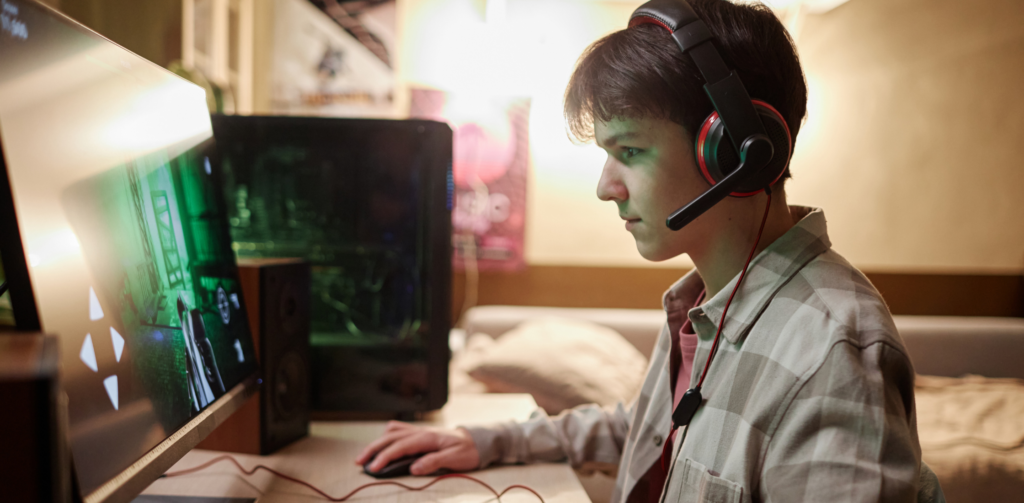
What worried me most while watching the documentary wasn’t the influencers themselves, many of whom came across as misogynistic, homophobic, hypocritical and, quite frankly, a bit stupid. It was the crowds of boys and young men approaching them in the street, eager for photos, fist bumps and validation. To their audiences, these men aren’t just online personalities or background characters. They’re role models, being treated like heroes by impressionable boys who are still figuring out who they are and who they want to be. Boys who will grow into men. Men who will form relationships, make choices, and share a world with women and girls.
Sparking important conversations
This is where, for me, the documentary fell short. While it did bring up questions (is the world really run by satanists controlling Sam Smith?!), the film didn’t do nearly enough to address the scale of the problem or the real-world consequences of these ideas. It could – and should – have gone further in exploring the impact of these beliefs not only on women, but on children and future generations. By stopping short of highlighting those consequences, the documentary risks giving the manosphere a bigger platform at the very moment we need to be confronting the damage its ideas are already causing.
And yet, despite its shortcomings, the documentary has sparked a wave of conversations. In the days after watching it, I found myself reading articles and comments from people who recognised both the ridiculousness of the manosphere’s ideology and the seriousness of its influence. Parents are talking to their children; educators are discussing online safety; viewers are questioning how these ideas even take hold. Perhaps this is Theroux’s intention – giving people enough rope to reveal themselves – and therefore the real value lies not in what the documentary said, but in what it has prompted others to say.
Maybe, despite its flaws, it is a step in the right direction
The connection between misogyny and domestic abuse is well documented, but it wasn’t touched upon by Theroux. At Oasis, we see every day how harmful ideas about gender, power and entitlement can play out in real lives. We support people who have been harmed by those beliefs, and we work with young people who are trying to unlearn them. Everything we do – from our helpline and refuge accommodation, to specialist support for children and young people and training for schools and professionals – is designed to help people recover from abuse.
We can’t afford to sit back and hope this all blows over. Every single one of us has a part to play – in our homes, our schools and our communities. If we want our sons to grow into men who respect women, and our daughters to grow up safe, we have to start shaping that future now by talking openly, challenging misogyny wherever it appears, and modelling the respect we expect them to carry into adulthood. At Oasis, we see the damage these beliefs can cause, but we also see the power of early conversations, honest education and communities that come together and refuse to look the other way. Together, we can raise boys who don’t need the manosphere to tell them who they are, girls who never have to fear the men they grow up alongside, and keep building a world where equality, respect and safety aren’t just ideals – they’re the norm our children grow up expecting.
If you would like to reach out for support, learn more about coercive control or domestic abuse related topics, please do not hesitate to contact Oasis and read through our other blog posts. When you are ready, we are here for you. We hear you and we will support you. Our helpline is 0800 917 9948.